
A Note for Parents
Included by Rebekah Prieto
Every child learns, communicates, and experiences the world differently. For some children, differences related to attention, reading, math, communication, sensory processing, or organization can make a traditional classroom more challenging, even when the child is capable, curious, and eager to learn.
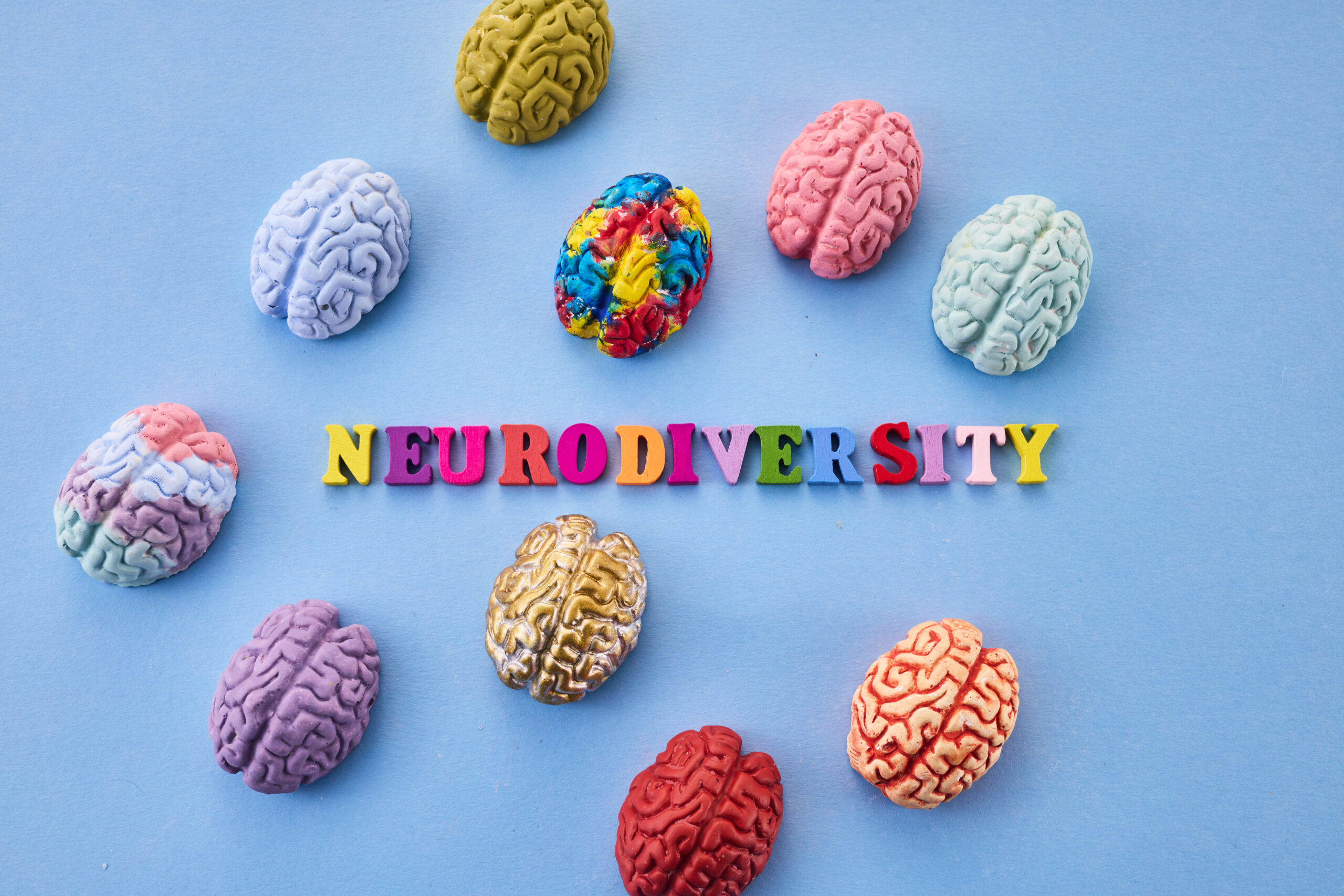
This article introduces the concept of neurodiversity, which encourages us to understand conditions such as ADHD, autism, dyslexia, and dyscalculia as differences in how a person’s brain processes information. This perspective does not mean overlooking the challenges a child may experience or the support they may need. Instead, it asks parents and educators to look at the whole child — recognizing areas of difficulty while also identifying strengths, interests, and the conditions that help that child succeed.
As you read, consider what you have observed about your own child. When do they feel confident and engaged? What situations lead to frustration or anxiety? Do visual reminders, movement breaks, additional time, quieter surroundings, or different ways of receiving instructions make a difference? These observations can help parents begin productive conversations with teachers, request an evaluation when concerns are affecting a child’s education, and advocate for appropriate support.
Parents do not need to understand every educational term or have all the answers before starting that conversation. You know your child in a way no one else does, and your observations are an important part of helping the school understand how your child learns best.
For generations, traits associated with Attention-Deficit/Hyperactivity Disorder (ADHD), autism, dyslexia, and dyscalculia were viewed strictly through a lens of deficit. Parents and educators focused heavily on what a child could not do, chasing traditional benchmarks of compliance and standardized performance. However, a profound paradigm shift is transforming modern education. The concept of neurodiversity reframes these neurological differences not as diseases to be cured, but as natural variations in human brain wiring. When we shift our focus from diagnosing struggles to uncovering hidden strengths, we unlock the true potential of neurodivergent learners.
Neurodivergent minds often possess extraordinary capabilities that standard classrooms fail to measure. Children with ADHD frequently exhibit remarkable creativity, high energy, and an ability to hyper-focus on complex tasks. Dyslexic students regularly demonstrate superior spatial reasoning, narrative memory, and out-of-the-box problem-solving skills. By recognizing these traits as specialized cognitive styles rather than developmental errors, educational environments can be built where these students do not just survive but actively lead.
The primary barrier to success for neurodivergent children is rarely their actual brain wiring; rather, it is a rigid environment designed for a mythical “average” student. When forced into a one-size-fits-all mold, children experience chronic frustration, anxiety, and an eroded sense of self-worth. True educational equity means providing flexible learning pathways, tailored sensory environments, and assistive technologies. Protecting a child’s emotional well-being and nurturing positive language frameworks is just as critical as any academic intervention provided (Renshaw, 2025; Schuck & Lambert, 2026).
During the crucial primary school years, parents can take immediate action to build a strong foundation for their child’s unique learning journey. In these early years, families should focus heavily on identifying interest-driven activities that build confidence outside of a traditional academic setting. At home, introducing visual schedules and predictable routines can significantly reduce anxiety and help young learners develop independent executive functioning skills. Most importantly, parents must proactively advocate for school success throughout the entire K-12 experience. This means viewing the school as a collaborative partner, requesting formal evaluations early, and securing tailored accommodations like standard Individualized Education Programs (IEPs) or 504 Plans. By serving as an active voice in the educational system, parents ensure that instructors understand their child’s specific processing styles and provide the necessary classroom modifications.
Services do not need to stop once it is time to send children to college. There are colleges specifically designed to support learners with unique minds. One example is Beacon College. As a nationally recognized leader in higher education for students who learn differently, Beacon College’s programs are specifically designed to honor diverse learning profiles (Beacon College, 2026). When colleges have evidence-based academic strategies paired with an empowering community, they can transform anxiety into actionable optimism. Every child deserves an education that sees their potential first, ensuring that their unique neurological makeup becomes their greatest asset in life.
References
- Beacon College. (2026). Neurodiversity in higher ed certificate & support frameworks. beaconcollege.edu
- Dwyer, P. (2022). The neurodiversity approach(es): What are they and what do they mean for researchers? Human Development, 66(2), 73–92.
- Renshaw, B. (2025). The role of positive language in challenging systemic ableism. Faculty Research Papers.
- Schuck, R. K., & Lambert, R. (2026). Neurodiversity-affirming school counseling: Strengths-based approaches. Professional School Counseling, 27(1).