
Toddlers and Emotions
Crying, laughing, yelling, jumping up and down- toddlers’ emotions can be all over the place. When we, as parents, help our child understand and process these emotions at a young age, it can help them in the future to understand and manage their emotions more effectively.
The foundation of this starts with us as parents through understanding and showing our own emotions. Babies and toddlers learn so much from watching and observing how we handle our emotions, so it’s important that we think before we react. They see how we handle a situation that makes us feel sad, happy, or angry, and learn from what they see.
It’s healthy for them to see us expressing these emotions as long as we are expressing them appropriately. When you’re driving and get cut off and feel angry, they are watching to see how you react.
Some things we can do to help toddlers with emotions:
- Make it part of your everyday conversations with your toddler – When you see them crying, address it, “Are you feeling sad right now? What is making you feel sad?” Sometimes they might not be able to explain their emotions, and that’s okay; just talk with them and offer some ideas about what they might be sad about, but don’t push them to tell you.
- Recognize your child’s emotions and respond compassionately – Be aware of how you respond when your child expresses sadness, fear, or anger. It’s easy to use phrases that may seem helpful, but actually dismiss your child’s feelings. Try to use words that let your kids know they’re being heard and that their feelings matter. For example, if your child is scared, don’t respond with “don’t worry about it, it’s no big deal”. Instead, acknowledge the feeling, support their feeling, and help them work through it.
- Do mindfulness activities with your child – Children’s yoga is a great activity for helping children regulate emotions. There are also apps that have music, meditation, and stories for children to help them process emotions like anxiety. One example is The Calm App.
- Teach them how to have compassion and empathy for others – Talk with your child about emotions they are seeing in others and how the other person is handling their emotions. You can also talk about other things they can do when they feel like that.
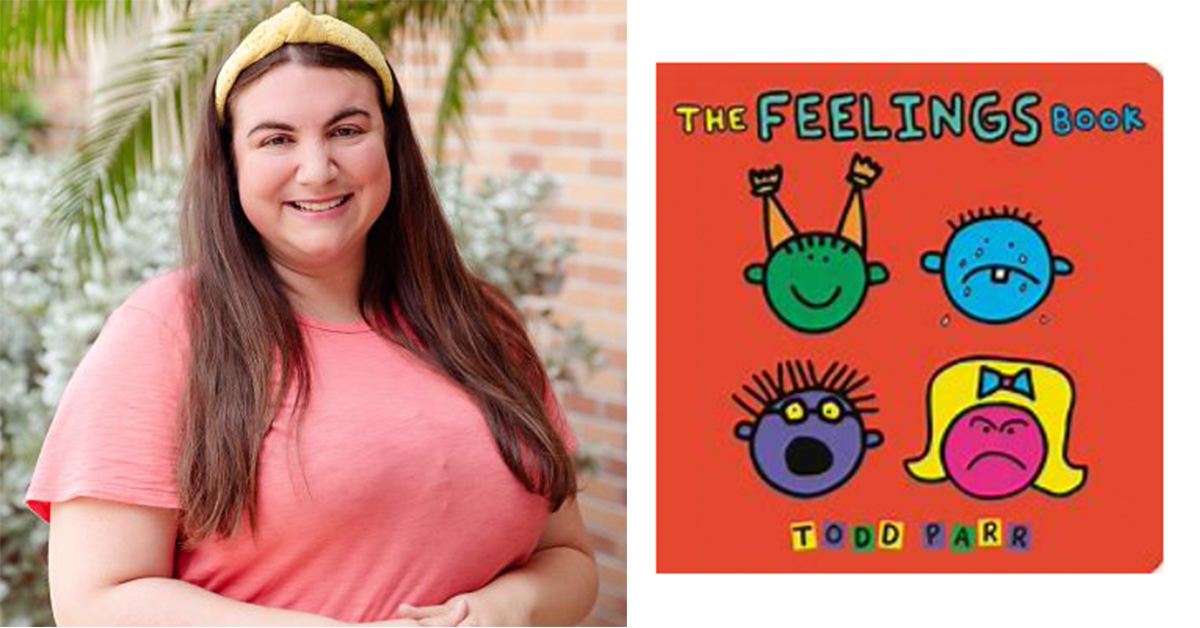
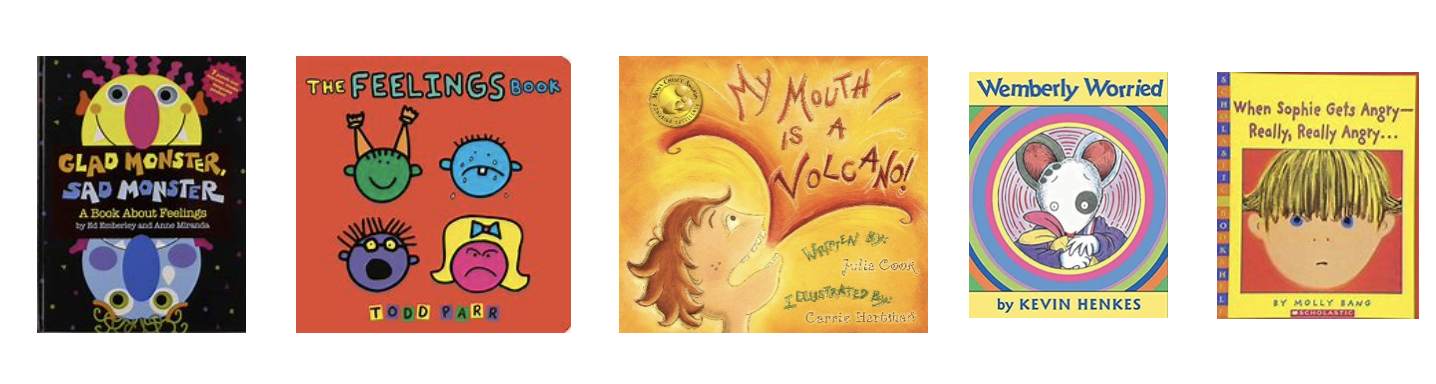
- Books – There are some great books you can use to help teach your child about emotions and how to handle them. Some books are “The Feelings Book,” “My Mouth is a Volcano!” “Wemberly Worried,” and “When Sophie Gets Angry – Really, Really, Angry”
- Shows/songs – Daniel Tiger and Sesame Street on PBS Kids are great shows that focus on emotions. Super Simple Songs on YouTube also offers a variety of songs about emotions and how to express them.
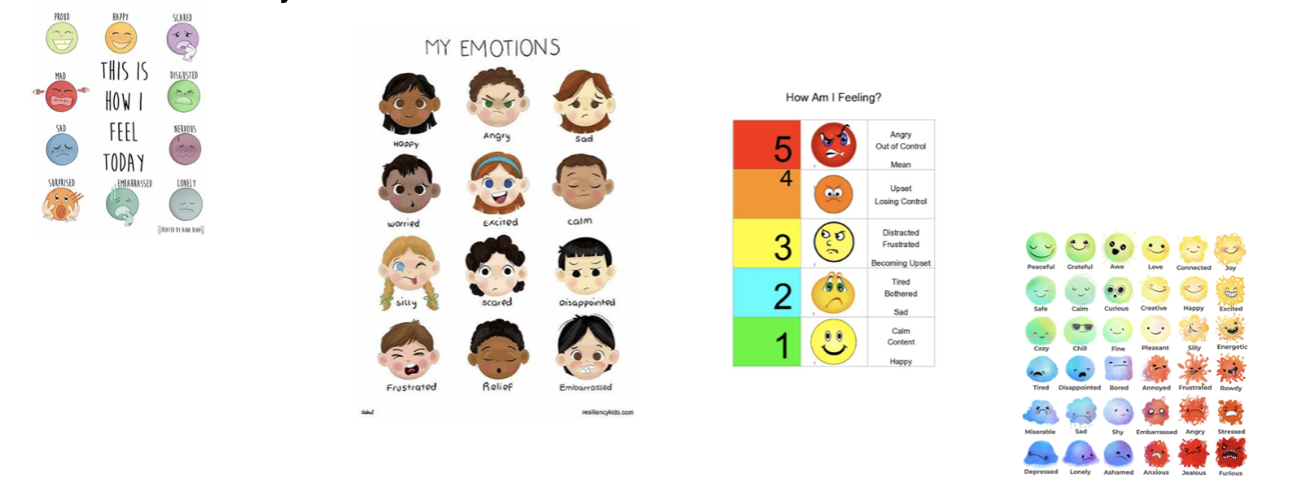
- Feelings chart – You can create your own and print one out to have at your house. This is a great way for a child to let you know how they are feeling even if they aren’t able to articulate it to you. There are tons of free ones your can print out online, like this one from Uplift Kids Unlock Emotional Intelligence: A Free Emotions Chart for Kids – Uplift Kids. You can also make one with your child by having them show an emotion on their face, then take a picture, print it out, and label it on your chart.
Everyone’s emotions are always changing and evolving. As parents, it is our job to help our children understand their emotions and have the tools to handle them in a positive, constructive way. This is not an easy process, but when it becomes part of your everyday life, it becomes an easier topic to address and help with.
 Author: Ashley Tabachnick
Ashley Tabachnick holds a degree in Elementary Education from the University of Central Florida. She dedicated 13 years to teaching in Manatee County before transitioning to Parenting Matters, where she now serves as a Parenting Educator. As a mother of three children, ages 8, 6, and 2, Ashley combines her personal parenting experience with her professional expertise to support and educate other parents in the community. She works in the home with the Parent Partner Program, conducts workshops around town, and is one of the facilitators for Musical Motion classes.