
The weeks and months after welcoming a baby, the postpartum period, brings many changes. While this time is sometimes described as joyful, it can also feel overwhelming, exhausting, confusing, or emotionally intense. For many parents, simply realizing they’re not alone in these experiences can be deeply reassuring.
There is no single “right” way to feel after giving birth. Your postpartum experience is shaped and influenced by your body, your history, your support system, and what’s happening in your life right now. Everyone’s experience is unique, valid, and deserving of care and compassion.
Physical Changes: Your Body Is Healing
Birth is a major physical event, and recovery takes time. During the postpartum period, many people notice things like:
- Bleeding or discharge that slowly decreases over several weeks
- Soreness or tenderness in the pelvic area or around an incision
- Breast changes such as fullness, leaking, or discomfort
- Low energy, body aches, or disrupted sleep
- Hormonal shifts that can affect sweating, skin, and body temperature
These changes are a normal part of healing, but recovery looks different for everyone. Rest, nourishment, and gentle care can make a difference—when those are available.
If something doesn’t feel right in your body, trust that instinct and seek medical attention immediately.
Emotional Changes: You’re Not Weak—You’re Adjusting
Emotional ups and downs are very common after birth. One big reason for this is hormones. After delivery, levels of estrogen and progesterone drop rapidly, much faster than at any other time in life. At the same time, hormones connected to bonding, feeding, and sleep (like oxytocin and prolactin) are changing day to day. These changes can impact your mood, energy, and how you experience emotions.
One common experience for new parents is the “baby blues,” which can include tearfulness, mood swings, irritability, or feeling overwhelmed. These feelings often begin shortly after birth and usually ease within a couple of weeks as hormones begin to stabilize.
For some, emotional distress lasts longer or feels more intense. Postpartum depression, anxiety, trauma responses, or other mood changes can appear anytime during the first year, and sometimes beyond. Ongoing sleep deprivation, physical recovery, stress, and lack of support can intensify the effects of hormonal shifts.
You might notice:
- Persistent sadness, numbness, or feeling disconnected
- Intense worry, panic, or racing thoughts
- Sudden mood changes or feeling emotionally raw
- Difficulty bonding with your baby or with others
- Feeling irritable, on edge, or emotionally shut down
- Thoughts about harming yourself, or fear of harming your baby
These experiences are not a sign of weakness or failure. They reflect how powerfully the postpartum period affects the brain and nervous system. When hormones, sleep, and stress collide, it can become overwhelming. If you notice any of these signs or are concerned for your mental health, safety, or your baby’s safety, that’s a signal for support. Healthcare professionals are trained and ready to assist you with these thoughts and feelings with compassion and non-judgment. Healing is possible, and help is available!
Identity, Relationships, and the Invisible Load
Postpartum changes aren’t only physical and emotional; they can also affect how you see yourself and your place in the world. Many parents grieve parts of their old life, feel pressure to “do it all,” or struggle with shifts in relationships and finances.
It’s possible to love your baby deeply and still feel loss, frustration, or exhaustion. These feelings can exist at the same time.
Reaching Out: Support Is a Strength
You don’t have to hit a breaking point to ask for help. Support can look like:
- Talking with a healthcare provider or community health worker
- Connecting with a therapist trained in perinatal or trauma-informed care
- Joining a local or virtual support group
- Sharing honestly with someone you trust
If you ever feel unsafe or have thoughts about harming yourself, please seek immediate help through emergency services or a crisis support line. You are not alone, and support is available 24/7.
A Gentle Reminder
Postpartum healing is not linear. Some days may feel manageable, while others may feel heavy. Needing and seeking support doesn’t mean something is wrong with you; it means you’re navigating a major life transition and you don’t need to navigate it alone.
You deserve care, understanding, and support during this time. Your story matters, and help is allowed.
Remember, Parenting Matters is here to walk alongside you in your parenting journey. To learn more, call us at 941-756-3007 or visit our website www.ParentingMattersFL.org
Here are a few other resources in our community
Support for Everyday Needs
- Mothers Helping Mothers – Community-driven support offering essential items, resource connections, and resilience-building for families with children under 18.
- 2-1-1 Suncoast – Free, 24/7 referral line for housing, food, mental health care, childcare, and other vital resources. Dial 211 anywhere in Manatee County.
Mental Health & Emotional Support
- National Maternal Mental Health Hotline – Free, confidential 24/7 support for pregnancy and postpartum concerns: 1-833-943-5746 (English, Spanish, and other languages).
- Postpartum Support International (PSI) – Free online support groups and educational resources, including peer support and specialized groups.
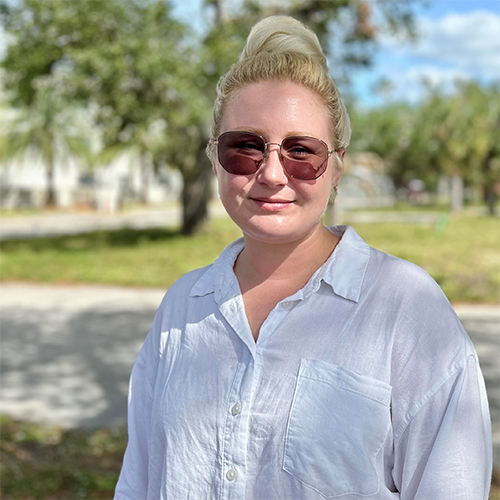 Marian is a Registered Mental Health Counselor Intern with a Master of Science in Clinical Mental Health Counseling from Stetson University. She is deeply passionate about supporting individuals on their mental health journeys. She has extensive experience working with children, adolescents, and their families in both inpatient and outpatient care settings, where she’s honed her skills in providing compassionate support and effective intervention strategies. She has diverse experiences, including teaching English in South Korea, which enriched her understanding of different cultures and the importance of connection, and facilitating equine therapy which introduced her to non-traditional forms of therapy. Outside of her professional work, she enjoys baking, reading, travel, and spending time with family.