
As a child, I grew up in a home where money wasn’t something we talked about in a very structured way. There weren’t formal lessons on budgets or long conversations about needs versus wants. At the same time, I recognize I was fortunate—my needs were met, and I had room to learn through experience rather than scarcity.
I had an allowance, and I could earn extra money through odd jobs and chores. The message, even if it wasn’t said directly, was pretty simple: effort leads to earning, and earning leads to choice.
One of my favorite jobs was cleaning out the spice cupboard. Oddly satisfying work. Then there was a landscaping job I greatly overestimated.
I confidently told a neighbor I would rake their yard. I showed up with a single rake and quickly realized it wasn’t a yard at all, but two acres covered in layers of maple and chestnut leaves. I worked for two days and barely made a dent. Eventually, I gave up. It was a humbling lesson in underestimating effort and overestimating what I could take on.
But the clearest lesson came with the go-kart.
I wanted one badly—possibly influenced by Little Giants, where the lead character had her own go-kart, and it seemed like the coolest thing in the world. I saved what I could, watched classified ads, and eventually found something in my price range. My parents drove me out to a farm where it was sitting: a home-built go-kart, welded together, scratched-up, a little questionable—but to me, it was perfect. I bought it with my own money, and it felt like real ownership for the first time.
That go-kart taught me more than any conversation about money ever did. It taught patience in saving, judgment in choosing something imperfect, and responsibility in owning it. And it also broke down—often. I learned a few small repairs myself, and eventually, my parents brought in a small engine mechanic to help. Each breakdown became another lesson in maintenance, cost, and what it really takes to keep something going.
Looking back, those experiences were an early form of financial literacy: work, save, spend, repeat. Simple, but powerful.
What I didn’t understand then was the bigger picture—what it actually costs to live, how quickly expenses add up, or how easily expectations can drift if they aren’t intentionally shaped. That understanding came later.
Now, as a parent, I also see the other side. When you have the ability to provide, it’s easy—and often natural—to say yes. There’s nothing wrong with generosity. But without balance, it can slowly shift a child’s expectation from “I can work toward this” to “I just need to ask.”
So we’re trying to be more intentional.
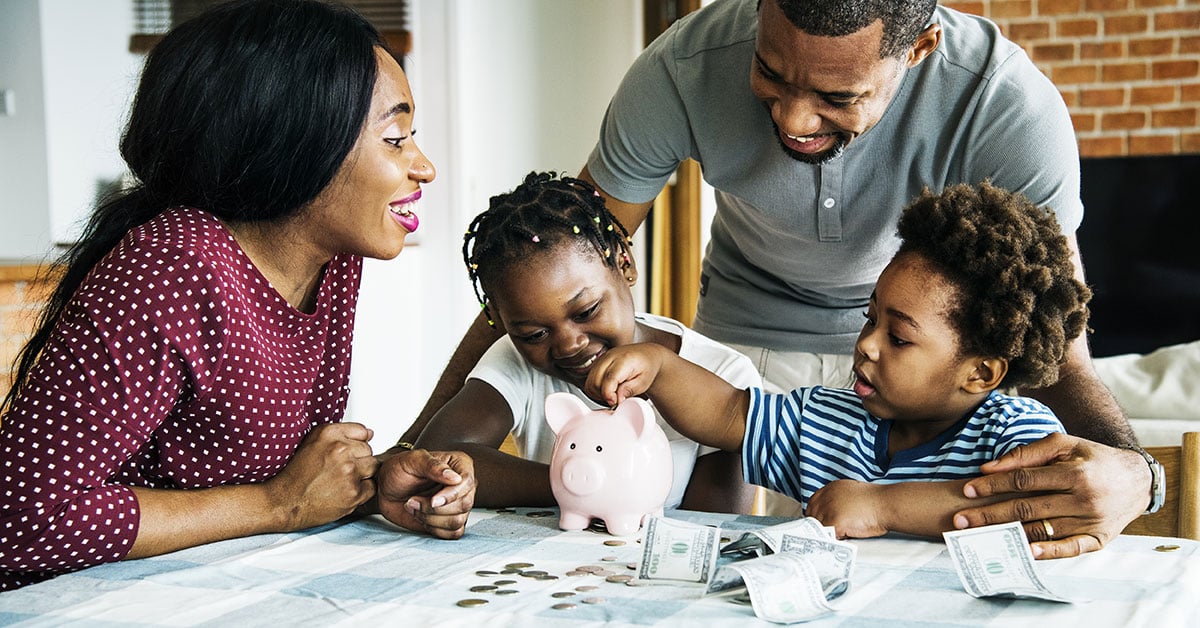
Not by removing support, but by pairing it with understanding: chances to earn, opportunities to make choices, space to hear “not yet,” and everyday conversations about value and trade-offs. Small, steady moments that build real understanding over time.
Because financial literacy isn’t just about money. It’s about perspective. It’s learning that effort creates opportunity, choices have consequences, and even the imperfect go-kart you saved for can teach you a lot more than something that was simply handed over.