
Parenting and Prevention
Reading in Early Childhood: Building Strong Foundations for Lifelong Learning
 By Rosana Rivera
Child literacy remains one of the most important building blocks of education and social development. The ability to read and write at an early age not only shapes a child’s academic success but also influences confidence, communication skills, future opportunities, and makes them more likely to enjoy learning.
Strategies to Promote Early Literacy
Reading Aloud
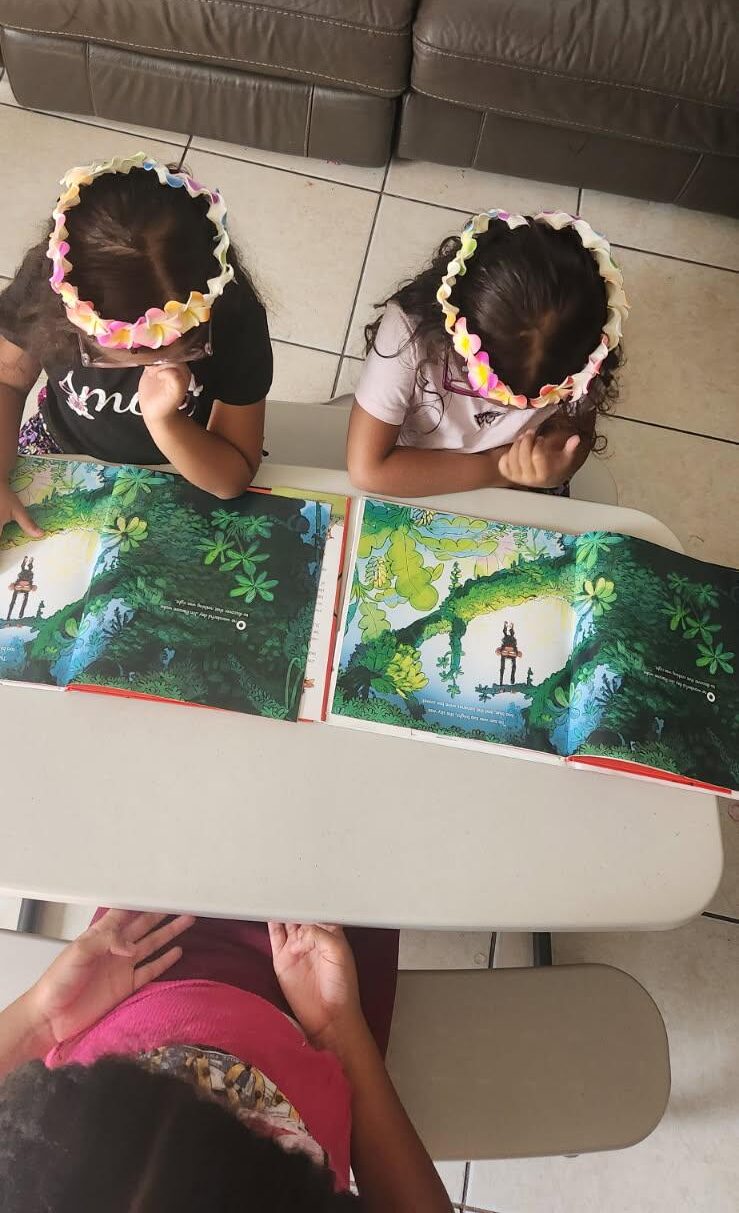
Reading aloud to children from an early age is one of the most effective strategies to promote early literacy. It introduces children to the world of books; expands their vocabulary by identifying letter-sound relationships, phonemic awareness, and phonological awareness; and develops listening and reading comprehension skills.
Creating a Literacy-Rich Environment
Creating a literacy-rich environment at home fosters a love for reading. Displaying books, setting up cozy reading corners, and incorporating literacy into everyday activities create opportunities for children to explore books and engage in independent reading. A literacy-rich environment promotes print awareness and sets a foundation for reading instruction in educational settings.
Engaging in Conversations and Storytelling
Engaging in conversations and storytelling with children nurtures language development and enhances early literacy skills. Asking open-ended questions, encouraging discussions, and sharing personal stories stimulate oral language, critical thinking, and overall growth in language skills.
Providing Access to Books and Resources
Ensuring access to a variety of books and literacy resources is crucial for early literacy development. Libraries, bookstores, and online platforms offer a wealth of reading materials suitable for different age groups and interests.
The Role of Parents and Caregivers
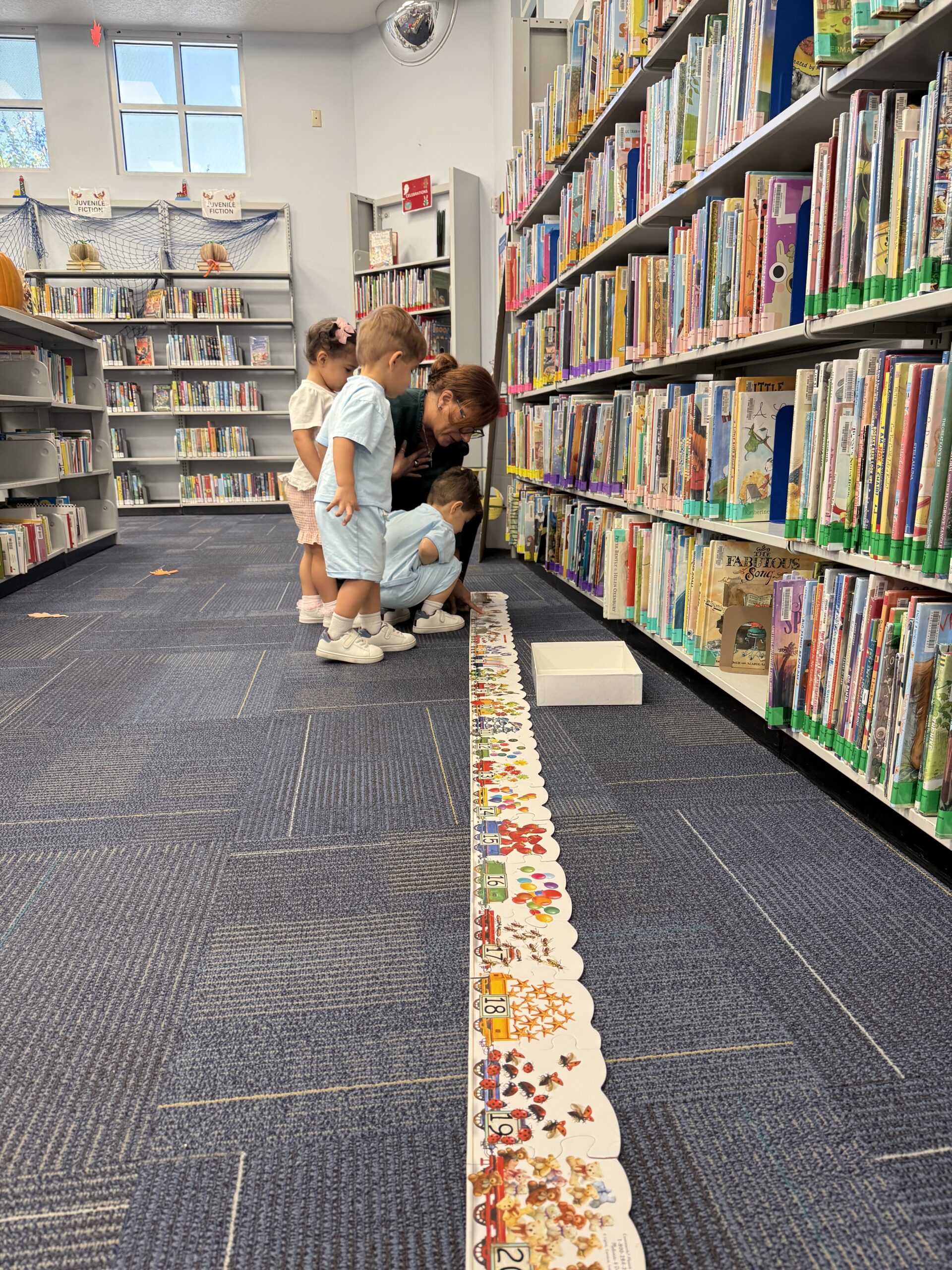
As a child’s first teachers, their parents and primary caregivers have a unique opportunity to foster a love for reading, language, and learning from the very beginning. Parents and caregivers play a crucial role in nurturing a love for reading. Reading together, discussing books, and showing enthusiasm for reading create positive associations and make reading an enjoyable and cherished activity.
Children learn by observing their parents and caregivers. Setting a positive example by reading regularly, discussing books, and showcasing the value of reading in daily life motivates children to develop early literacy skills.
Establishing regular reading routines helps create a sense of structure and predictability. Allocating dedicated time for reading each day establishes reading as an essential part of the daily routine and reinforces the importance of literacy.
Start now and pave the way for a future of endless possibilities through the power of early literacy.

Rosana Rivera, MA is a skilled Parenting Educator with Parenting Matters, bringing over a decade of experience and a Master’s degree in Psychology to her work with the Parent Partner Program. Since joining the organization in 2009 as a contractor and Care Coordinator for the Healthy Start program, Rosana has been a steadfast advocate for families. In her initial role, she supported high-risk pregnant women and newborns, helping them navigate critical early stages of life.
In her current role, Rosana goes beyond one-on-one education by teaching workshops and substituting for the ACT class, empowering parents with tools for success. Her deep knowledge of IDEA law allows her to serve as a strong advocate for parents and children, ensuring they receive essential services and support in school systems.