
Parenting and Prevention
Encouraging Kindness and Empathy in Children: Building a More Compassionate Future
By Kayla Geohaghan
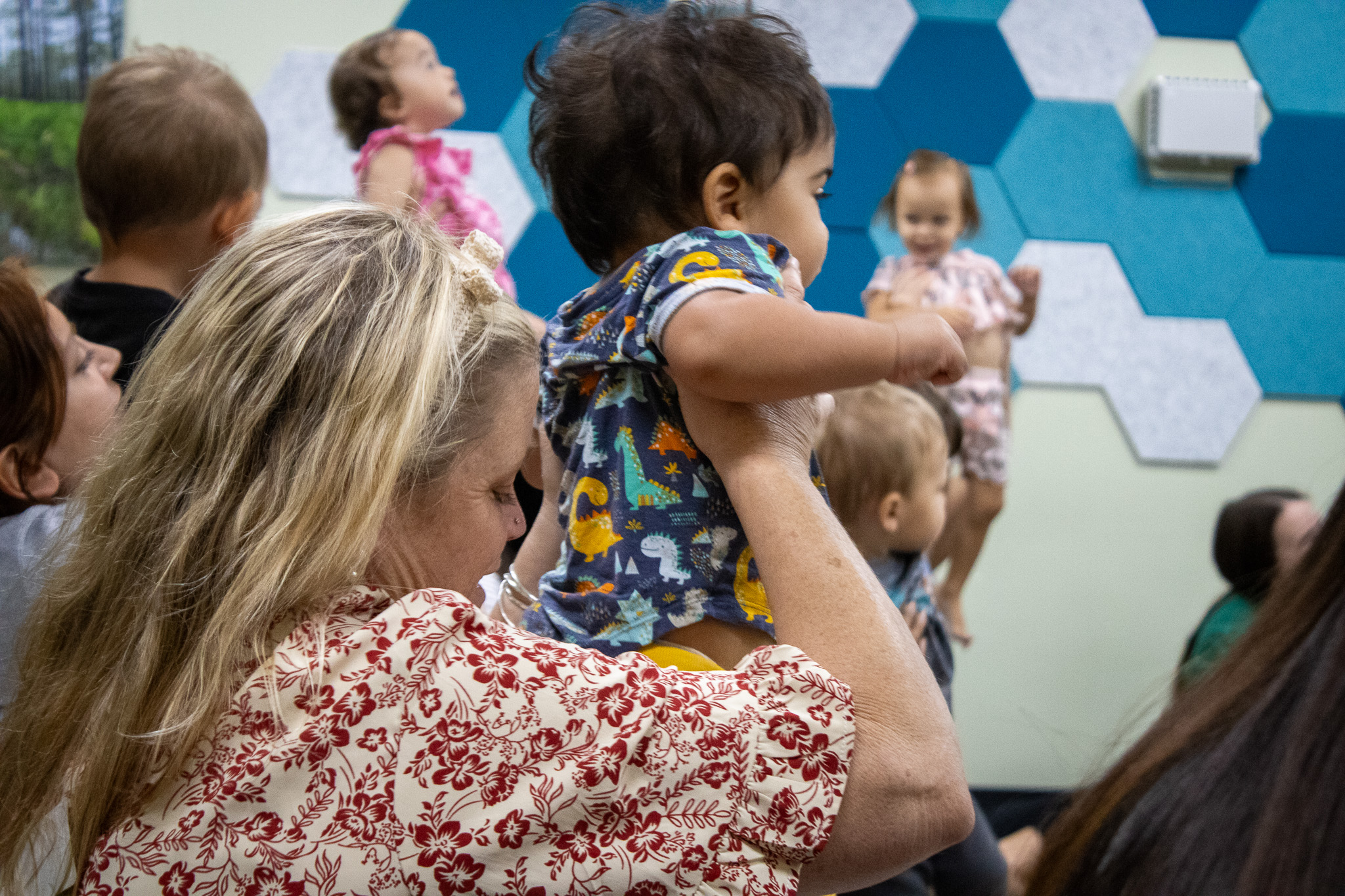
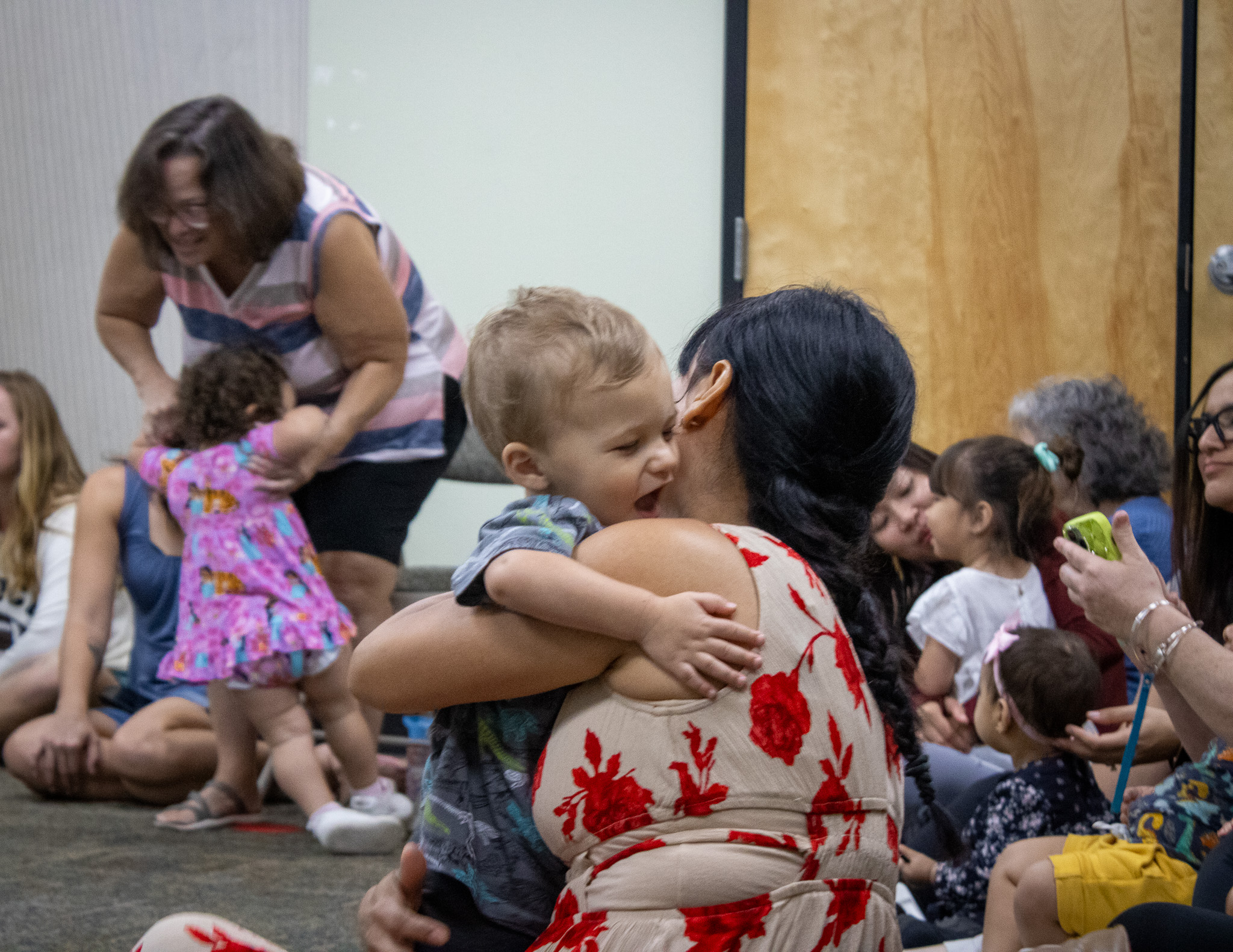
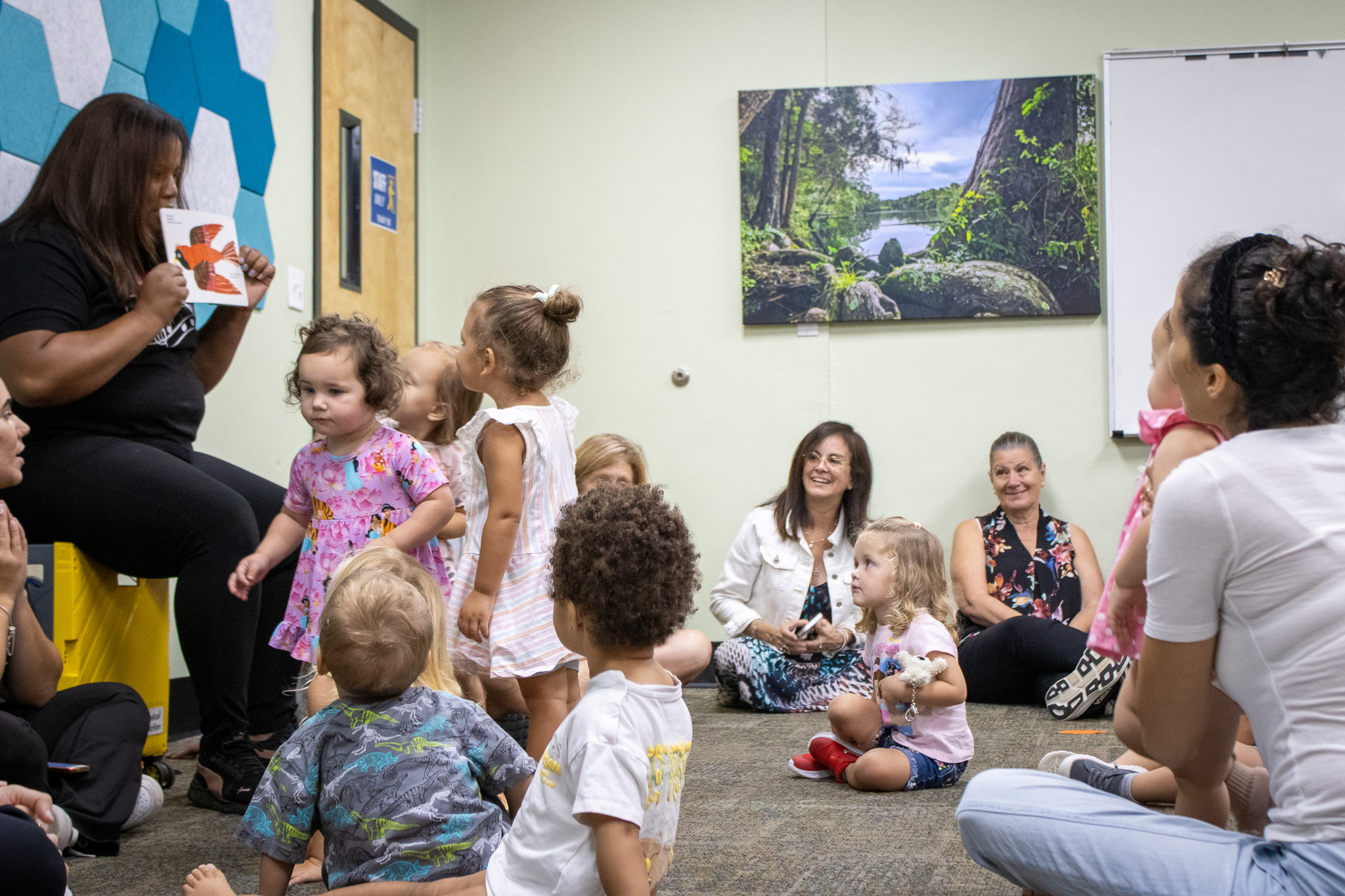
In a world where kindness seems to have lost its place, nurturing kindness and empathy in children has never been more important. These qualities are not just traits of good character, they’re essential life skills that foster emotional intelligence, improve relationships, and contribute to a more inclusive society. Encouraging these values early in life lays a strong foundation for children to grow into caring, responsible adults.
Why Kindness and Empathy Matter
Kindness is the act of being considerate, generous, and helpful to others without expecting something in return. Empathy goes a step further; it’s the ability to understand and share the feelings of another person. Both are crucial for developing meaningful connections with others and navigating the complexities of social interactions.
Research shows that children who are empathetic and kind tend to have better mental health, perform well academically, and build stronger friendships. They are also more likely to stand up against bullying, support their peers, and contribute positively to their communities.
Leading by Example
Children learn more from what we do than from what we say. Parents, teachers, and caregivers play a key role in modeling kindness and empathy. Simple acts, like helping a neighbor, expressing gratitude, or listening attentively, teach children how to treat others with respect and compassion. These small gestures are seeds of compassion that ripple outward, creating a more caring environment.
When adults’ express empathy toward a child’s feelings, whether it’s frustration over a lost toy or anxiety about a school test, they teach the child that emotions are valid and manageable. This not only helps build emotional intelligence but also encourages children to show the same understanding to others.
Encouraging Kind Behavior
Creating a home environment that values kindness is essential. Praise and acknowledge kind actions, no matter how small, like sharing toys, comforting a friend, or including someone who feels left out. Reinforcement helps children understand that their positive behavior has an impact.
Reading books or watching shows that demonstrate empathy and kindness can also be powerful. Stories allow children to see the world from different perspectives, helping them to recognize emotions and situations outside of their own experience.
Teaching Through Practice
Involve children in activities that promote caring for others. Volunteering as a family, writing thank-you notes or making care packages for those in need are practical ways to develop empathy. Role-playing scenarios such as how to help someone who is upset can also build problem-solving skills and deepen emotional understanding.
Open-ended questions like, “How do you think they felt?” or “What would you do if that happened to you?” help children reflect on the emotions of others and consider their responses more thoughtfully.
Creating a Kinder Future
Encouraging kindness and empathy isn’t about making children “nice” for the sake of politeness it’s about equipping them to be thoughtful, courageous, and emotionally intelligent. When children grow up understanding the value of kindness and the power of empathy, they are better prepared to face challenges, build inclusive communities, and create meaningful change in the world.
By investing in these values today, we nurture a generation that doesn’t just coexist but truly cares.

Kayla Geohaghan is a Parenting Educator at Parenting Matters, where she supports families through the Parent Partner Program and brings playful learning to little ones as a Musical Motion teacher. She holds a Bachelor’s degree in Social Work from Morehead State University and has dedicated her career to helping families build confidence, connection, and a strong foundation for their children’s futures. Proud mom of four, Kayla brings both professional skill and lived experience to every family she serves.