
Parenting and Prevention
Unlocking the Joy of Reading: Strategies That Really Work at Home
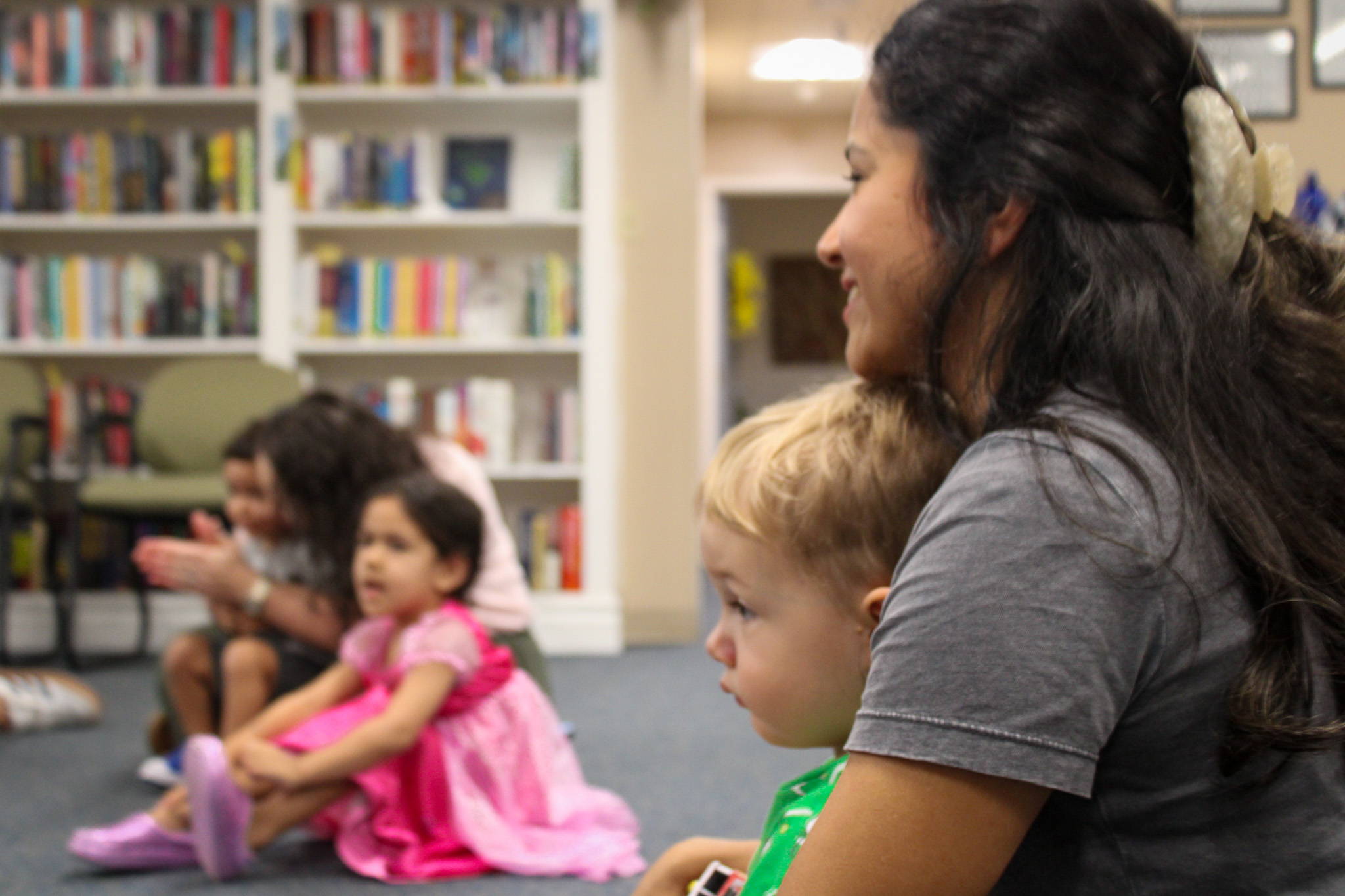
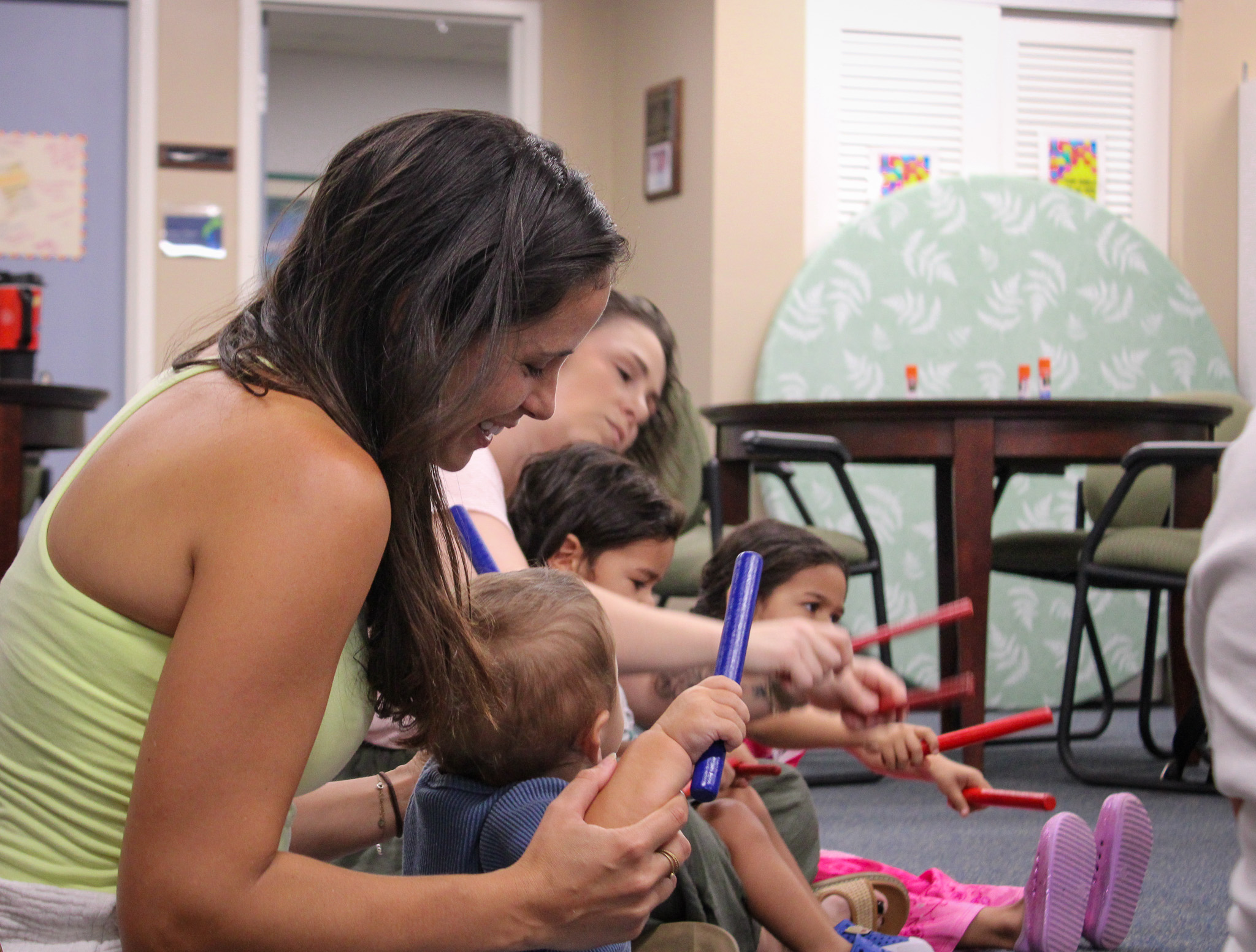
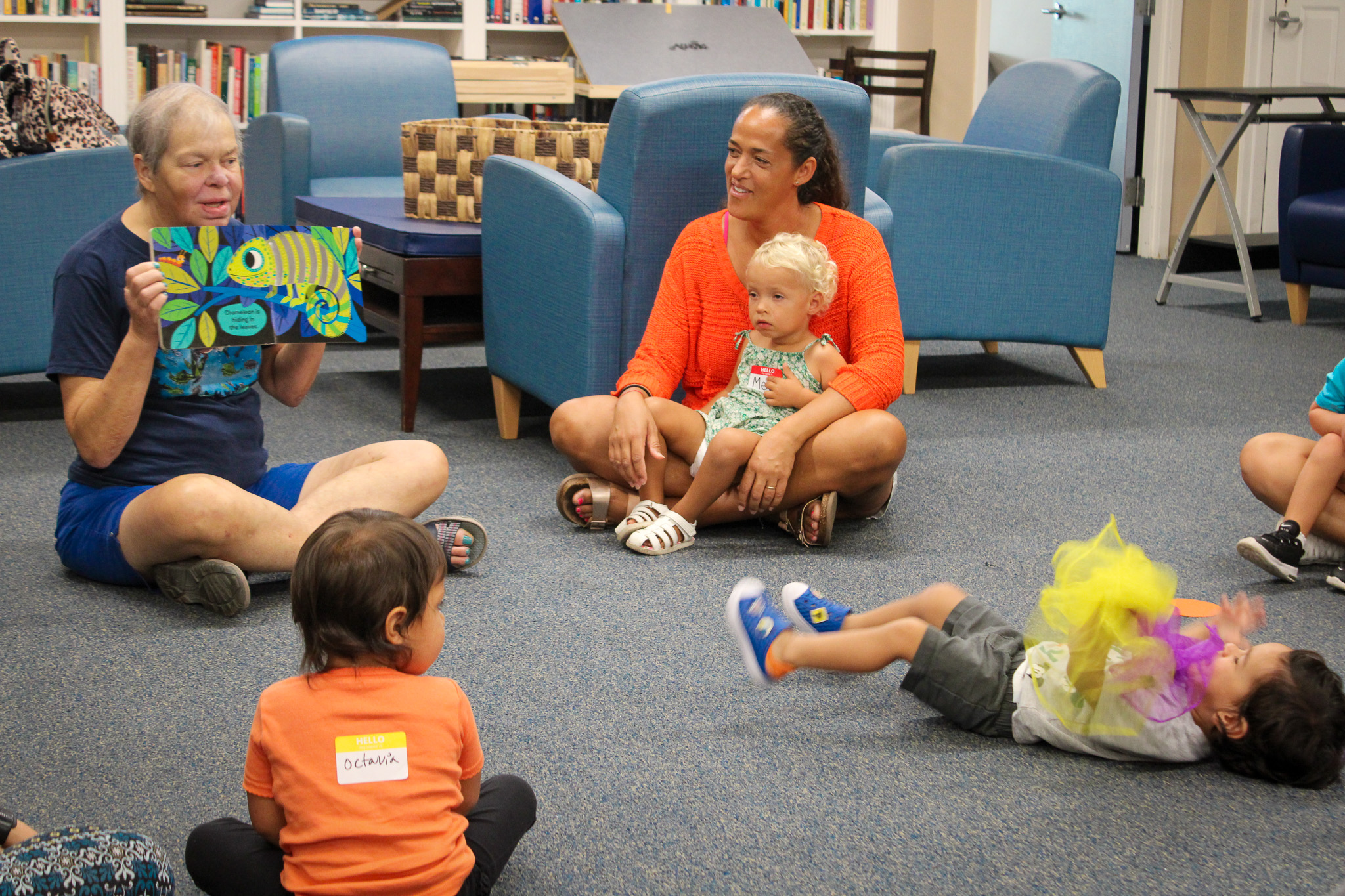
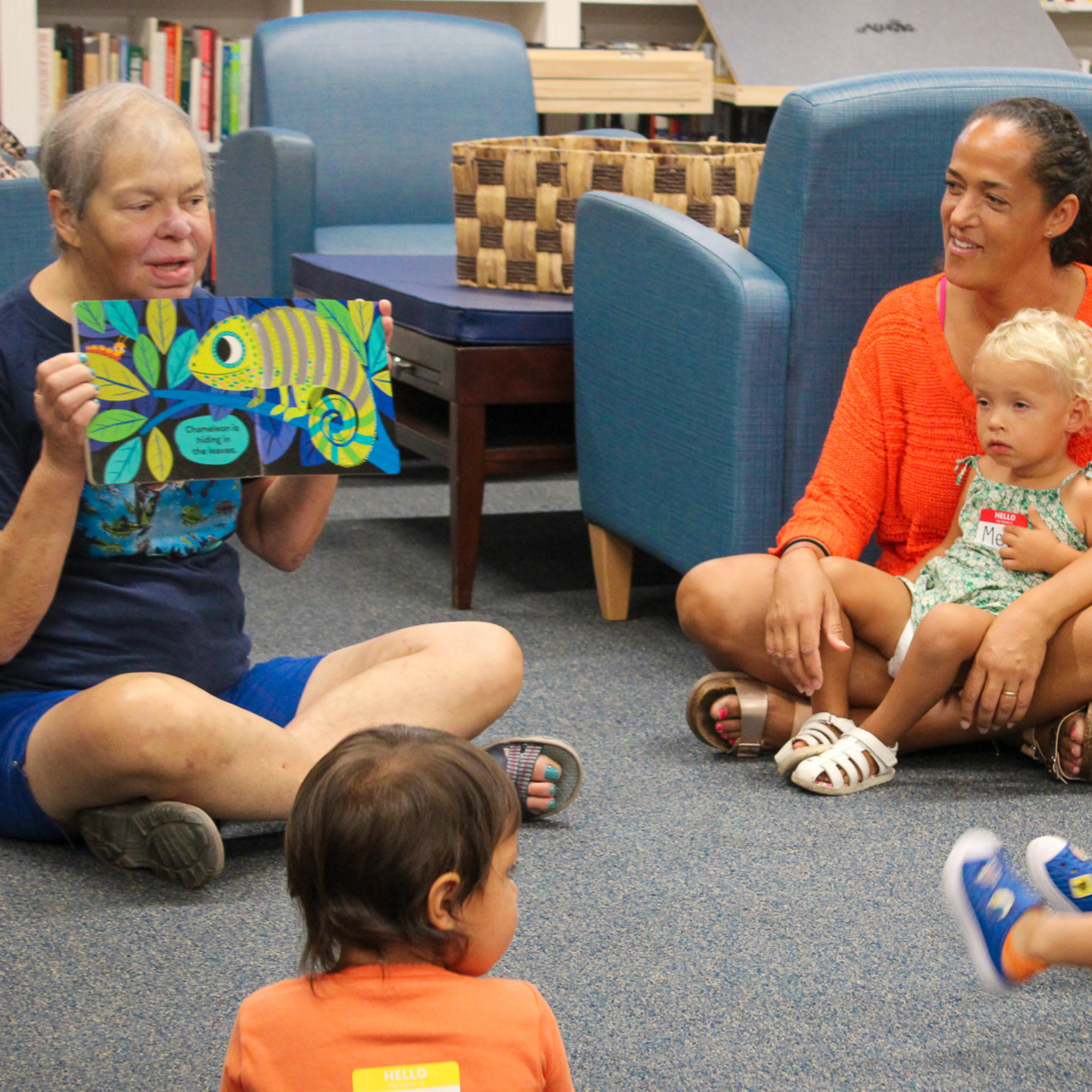
Teaching children to read at home is an exciting and rewarding experience, and with the right approach, you can help foster a love of reading that will last a lifetime. Here are some key strategies to support your child’s literacy development:
- Start Early and Make It Fun
- Create a Reading-Friendly Environment: Surround your child with books that are age-appropriate and interesting. This could include picture books, interactive books, or even books with large, colorful illustrations.
- Read Aloud: Reading aloud to your child is one of the most powerful ways to build early literacy skills. It helps them develop a love of reading, expand vocabulary, and become familiar with the rhythm and flow of language.
- Use Rhymes and Songs: Rhyming helps children understand patterns in words, which is essential for reading. Sing songs or read nursery rhymes that emphasize sounds and syllables.
- Engage in Daily Reading
- Make Reading Part of the Routine: Set aside time every day to read with your child, even if it’s just for 10-15 minutes. Consistency helps reinforce the importance of reading.
- Let Them Choose Books: Give your child some control over the books they want to read. This will make reading feel less like a chore and more like an exciting activity.
- Read with Expression: Use different voices, sounds, and facial expressions when reading aloud. This helps your child engage with the story and understand its meaning.
- Encourage Letter and Sound Recognition
- Introduce the Alphabet: Start by teaching the letters of the alphabet. Show your child the letters in books, on signs, or even in their toys. Sing the ABC song and practice recognizing each letter.
- Focus on Letter Sounds (Phonemic Awareness): Help your child understand that letters have sounds. You can start by saying a letter sound and asking them to repeat it. Practice sounds with objects that start with the same letter (e.g., “b” for ball, “c” for cat).
- Use Flashcards or Apps: Interactive tools like flashcards or educational apps can reinforce letter sounds and make learning more engaging.
- Build Word Recognition
- Sight Words: Introduce common sight words that children will encounter frequently, such as “and”, “the”, and “is.” Recognizing these words by sight helps improve reading fluency.
- Play Word Games: Games like “I Spy” (e.g., “I spy with my little eye something that starts with ‘b'”) can help children practice letter sounds and words in a playful way.
- Label Household Items: Label items around the house with their names (e.g., “door,” “window,” “chair”). This helps children make connections between the written word and their environment.
- Help with Sounding Out Words (Phonics)
- Blending Sounds Together: When your child starts to recognize letters and their sounds, help them blend the sounds together to form simple words. For example, “c-a-t” becomes “cat.”
- Segmenting Words: Encourage your child to break words down into individual sounds, which helps with decoding unfamiliar words.
- Practice with Simple Words: Start with simple three-letter words, like “cat,” “dog,” “mat” and work your way up to more complex ones.
- Encourage Comprehension
- Ask Questions: After reading a story, ask your child about the characters, the setting, and what happened. This helps develop their understanding of the text and improve their vocabulary.
- Discuss the Pictures: Let your child explore the pictures in the book and talk about what they see. Pictures often provide context clues that help them understand the story.
- Make Connections: Relate the story to your child’s own experiences. For example, if the book is about a dog, ask if they have a pet or know anyone with a dog.
- Be Patient and Supportive
- Celebrate Progress: Praise your child’s efforts and celebrate even small milestones in their reading journey. This encourages them to keep going.
- Avoid Pressure: Children learn at different paces. If your child is struggling, avoid putting too much pressure on them. Be patient and offer gentle support and encouragement.
- Be Positive: Foster a positive attitude toward reading by showing that reading is fun and rewarding, not a task to be completed.
- Use Technology Wisely
- Interactive Books and Apps: There are many apps and websites that offer interactive books, phonics games, and other literacy-building activities. Use these as a supplement to traditional reading.
- Audiobooks: Audiobooks can help expose your child to new vocabulary and ideas. They can also be an excellent way to provide a break for you as a parent while still encouraging literacy development.
By following these strategies and making reading a regular, enjoyable part of your child’s life, you can help them build essential literacy skills and develop a lifelong love of reading.

Teresa A. Alford is dedicated to supporting adoptive families. With a background as a child welfare worker and adoption specialist, she successfully guided families through case plans, stable adoption placements, and achieving a high success rate, as reflected in the low recidivism of families reentering the child welfare system.
Teresa’s career spans multiple leadership roles, including serving as an intensive supervision/probation officer, a Program Manager for a Federal and State initiative for a tri-county area and as an adjunct instructor at multiple colleges. She holds a bachelor’s degree in psychology and special education, along with a master’s in sociology.
Beyond her professional achievements, Teresa is deeply engaged in her community. She believes in quiet philanthropy, giving back through acts of kindness and charitable involvement.