

Parenting & Prevention
More Than Pencils: The Quiet Load Children Carry Back to School
By Marianella Vera

As August arrives and classrooms open their doors once again, families rush to prepare. Backpacks are packed, shoes are bought, schedules are restructured, and lunch boxes are filled with familiar favorites. Parents and caregivers check off supply lists and take comfort in the rituals of a new school year. Teachers prepare their rooms with bright colors and welcoming smiles, hoping to greet each child with a fresh start.
But every child who walks through those doors carries something more than school supplies.
Each one brings along a quiet load, an unseen collection of emotions, worries, and lived experiences that weigh on their tiny shoulders. Unlike backpacks, these burdens can’t be zipped or unpacked easily. They’re not listed on a supply list, but they are very real. And they walk into every classroom, every hallway, every cafeteria. Some children carry the weight of anxiety. “Will I make friends this year? Will I be good enough?” Others bring fatigue from chaotic mornings, where getting out the door was a battle, not just over socks and cereal, but over unspoken tension at home.
There are children helping care for younger siblings because their parents work long hours; or trying to manage language barriers between home and school. Some are adjusting to the aftermath of a recent divorce or move. Others are grieving the loss of someone they love, unsure how to process it. Even positive emotions can weigh them down, excitement to see a beloved teacher again or anticipation about a new routine can leave them overstimulated and exhausted by the time they sit at their desk.
All of this—the joy, the worry, the confusion, the responsibility—is what we call the quiet load. It’s the emotional backpack they don’t even know they’re wearing. But it shapes how they behave, how they concentrate, how they connect, and how they learn. As adults, it’s easy to miss. A distracted student might be seen as lazy. A child who talks too much may be disruptive. One who refuses to participate might be called defiant. But if we look beneath the surface, we often find a story, one that needs to be heard, not punished. Teachers and school staff might notice a child who seems distracted, restless, or overly tired. They may be irritable or withdrawn, not because they don’t care, but because they’re already carrying so much.
And then there are the children whose quiet load is heavier than most.
Some children carry an even heavier burden. One that deserves its own space in this conversation is the quiet load of abuse or neglect. When a child is being mistreated by someone they love and trust, the psychological weight is staggering. Yet many of these children still walk through school doors, expected to behave, focus, and perform like everyone else.
These children are often skilled at masking their pain. They may smile, participate, and seem fine, while inside they feel scared, confused, and ashamed. School might be their only safe place, or it might be another space where they feel pressure to pretend. Recognizing the quiet load of abuse is difficult but essential. Children who have been harmed need more than academic support; they need emotionally safe environments, responsive adults, and access to counseling and trauma-informed care.
Handle With Care: A Community Response
One initiative helping schools respond to these hidden burdens is called Handle With Care. This program allows law enforcement and first responders to notify schools when a child has been present at a potentially traumatic event, such as domestic violence, an arrest, or a death in the home. No details are shared, just a simple message: “Handle this student with care.”
This alert allows educators to be more sensitive and supportive. A child may not need probing questions or special treatment, just understanding, extra patience, a break during the day, or grace when they forget their homework. It’s a small shift that makes a big difference. Instead of assuming defiance, adults can consider what stress a child might be carrying and respond with empathy.
Lightening the Load, Together
Whether a child is carrying the daily worries of growing up or the lasting effects of trauma, their quiet load matters. As parents, educators, and community members, we can help lighten that load by
- Creating calm, predictable routines
- Listening without judgment
- Offering space to talk or rest
- Building trusting relationships
- Noticing changes in behavior or mood
- Asking, gently, “Is there anything on your mind today?”
Above all, we can remember that every child has a story, even if they can’t tell it yet. And when we meet their quiet loads with compassion, we make school a place of healing, not just learning.
If you’re a parent or caregiver, take a moment this school year to check in, not just about grades but about feelings. If you’re an educator, advocate for trauma-informed practices in your school. And if you’re part of a community organization, learn more about programs like Handle With Care and how your group can support children quietly carrying more than books.
Because every child deserves to be seen, supported, and treated with care.
About Marianella Vera
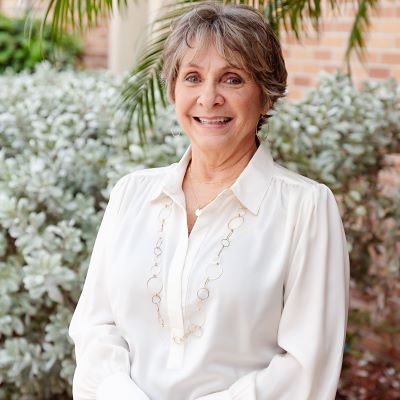
Since joining Parenting Matters in 2015, Marianella Vera has been dedicated to supporting families. As Program Coordinator, she works closely with referring organizations and parents to connect them with Parenting Matters’ in-home parenting education program, other available services, and community referrals. With a keen eye for detail, she also manages data tracking and program reporting, helping to drive impactful results. A bilingual team member with vast experience in the service industry, Marianella’s collaborative spirit and willingness to support her colleagues make her an invaluable part of the team.
Marianella holds a Bachelor of Fine Arts from Minnesota and a Specialization in Management from Venezuela. She finds deep fulfillment in empowering parents with tools they never knew existed, reminding them that they are not alone on their journey