
Parenting and Prevention
Encouraging Independence and Responsibility in Young Children
 By Lynda Morin
As parents, we look at our children as the most beautiful human beings ever developed. We also look at our role as parents and can feel overwhelmed.
How will we protect them from life’s dangers yet help them find joy and excitement in learning new things?
Sometimes we are unsure of when to do things for them and when to step back and let them try to do things for themselves. Without meaning to, we can become overly protective and feel that they are not able to find solutions to problems on their own. While it’s important to always be aware of dangerous situations and to take the necessary precautions to childproof your home and maintain rules for safety, it is also important to observe how your child handles challenges and everyday situations.
Once these things are understood, how do we move on to help the child feel a sense of independence and allow him to try new experiences?
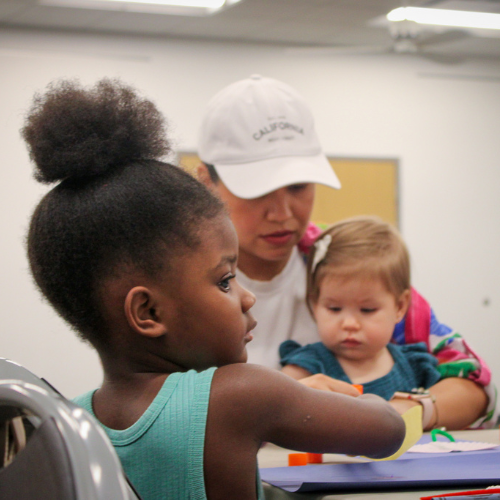
From the earliest age, a child will try to be independent. We hear them say things like “me do it” and they will try holding their bottle or spoon. They are trying to develop their autonomy and learn to do things on their own. This is the time for parents to begin letting them try, while giving support and guidance.
For toddlers and pre-schoolers, we can begin by giving choices such as, “Do you want to wear the red shirt or the blue shirt? What book do you want to read? What time do you want to pick up your toys?” While offering choices is a great way for the child to learn responsibility, not everything should be a choice. It’s important that the choice matches the child’s capabilities. Look for those everyday things they want to help with, and always offer your help when needed. The goal is for the child to succeed- failure should not be an option. We want children to try new things and to feel good about themselves and their capabilities. Be there to provide support and guidance, as needed.
It’s imperative the child understands the importance of a positive self-concept. A child who feels good about themselves and their capabilities will learn much more easily. Parents play a big part in helping this to happen. Let them know when they are doing something good and they will revel in our praise and continue to repeat those good things.
The phrase “CATCH THEM DOING SOMETHING GOOD” was developed for this purpose. Pay attention to those good things and tell them about it, such as, “I like the way you are helping your sister find her sweater”, or “I can see how hard you are trying to tie your shoe.”
You, as the parent, are the most influential person in your child’s life, and hearing these things from you will make the biggest difference. When you say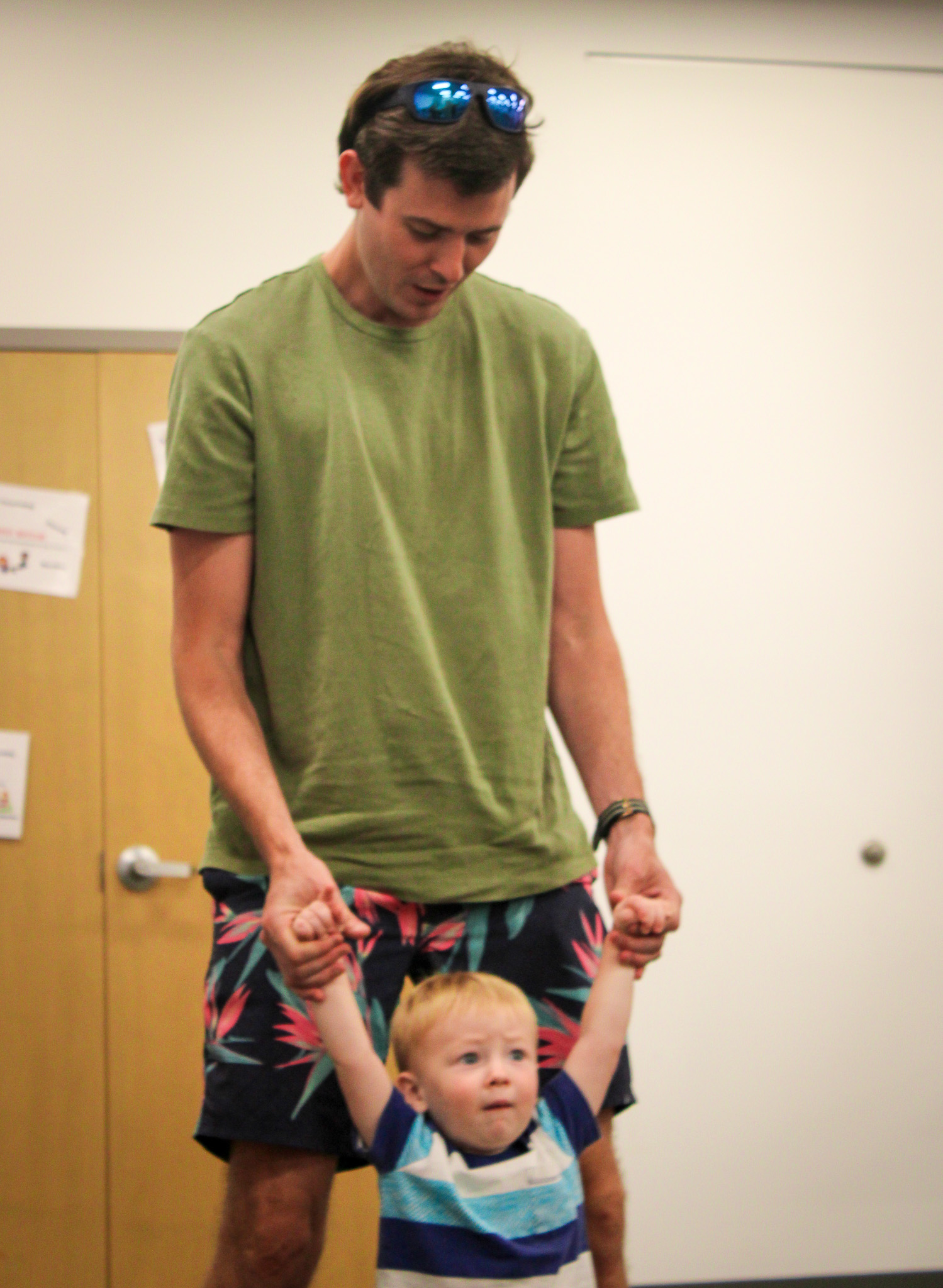 something, either positive or negative, the child will believe you. So, keep your comments positive, and great changes will come. We think our children know when they have done something good, but they really need to hear it from us to internalize it.
How do they respond to your compliments? Do their eyes light up? Do they continue to focus on repeating that positive behavior?
Yes, this is what usually happens!
But, remember this quote from Maria Montessori, “never help a child with a task at which he feels he can succeed.” This will only help the child feel that they are not capable of doing it on their own, which can lead to poor self-esteem, resulting in a child being afraid to try new things. This can inhibit their potential to grow and learn to their fullest potential.
An important part of child development is understanding the importance of play in children’s learning. The young child learns through play. Play has its own excitement, its own benefits, and its own rewards. It is through meaningful play that children can reason, think, question, problem-solve, and gain mastery. This is what intellectual development is all about.
When we select toys that have more than one purpose, there are no limits as to where the child’s imagination will take them and no limits on how far the learning can go. When a child stacks their blocks with their other toys, such as cars, train tracks, trucks, and construction toys, they are using creativity with their learning. No one needs to tell the child what to build or how far to go; they will make up the learning process as they go.
When they finish their activity, you can ask join in by asking things like: “Would you like to place a sign next to the bridge, or next to the store?” Then, ask, “What should the sign say?” Then write/print this for them to display.
These are ways a parent can extend play without changing any of the child’s ideas. Allowing children to make decisions on their own is a great way to encourage independence. Playing alongside your child is a great way to build a healthy, connected relationship.
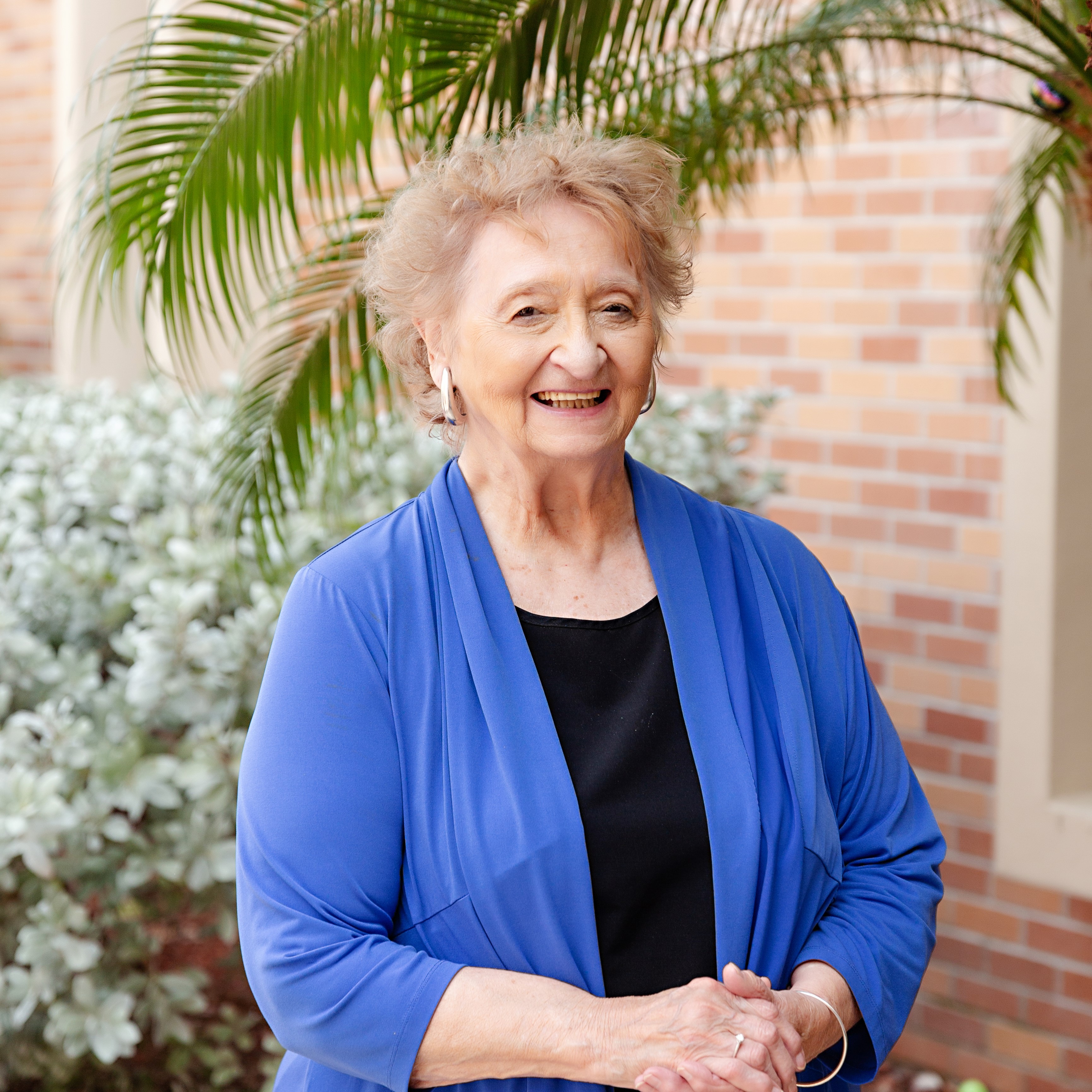
Lynda B. Morin is a dedicated Parent Educator with Parenting Matters, serving families in South County. She helps parents build stronger connections with their children through developmentally appropriate guidance and positive parenting strategies, fostering learning, growth, and lifelong success for both parents and children.
With decades of experience in early childhood education and family support, Lynda’s career includes roles as an early childhood and special education teacher, Guardian ad Litem for foster children, Foster Parent Advocate, and Case Manager with Centerstone. She has developed Head Start Home Base Programs, Kindergarten Readiness initiatives across five Massachusetts school systems, and integrated classrooms for children with and without special needs.
Lynda’s expertise spans teacher mentoring, educator training, and federal Head Start program reviews across New England. Her commitment to quality early education has been recognized with awards from both houses of Congress and by Region 1 ACYF for developing a Program of Excellence.
A graduate of North Adams State College, cum laude, with additional master’s-level coursework at Wheelock College in Boston, Lynda continues to grow her professional and personal practice, including certification as a Reiki Practitioner.
Guided by a deep joy for teaching and learning, she is passionate about partnering with parents to help children thrive. Outside of work, she has volunteered on the Board of Goodwill Industries in Massachusetts and with Sarasota’s Ringling Museum.