
Parenting and Prevention
Kindergarten Readiness
 By Ashley Tabachnick
The transition to kindergarten is a very exciting time, and as with any transition, it’s important to prepare our children. We need to ensure they are ready both academically, emotionally, and socially. If your child attended Pre-K, that might make the change a little easier. Either way, it could still be a big jump!
Below are some basic areas of academic focus, and good ways to evaluate if your child is ready for kindergarten.
Ensure your child can
- Identify the difference between letters and numbers,
- Knows some letters by sight,
- Can count to at least 10,
- Is able to identify colors and some shapes,
- Recognizes their written name- even if they can’t write it yet,
- Is able to rhyme words, and
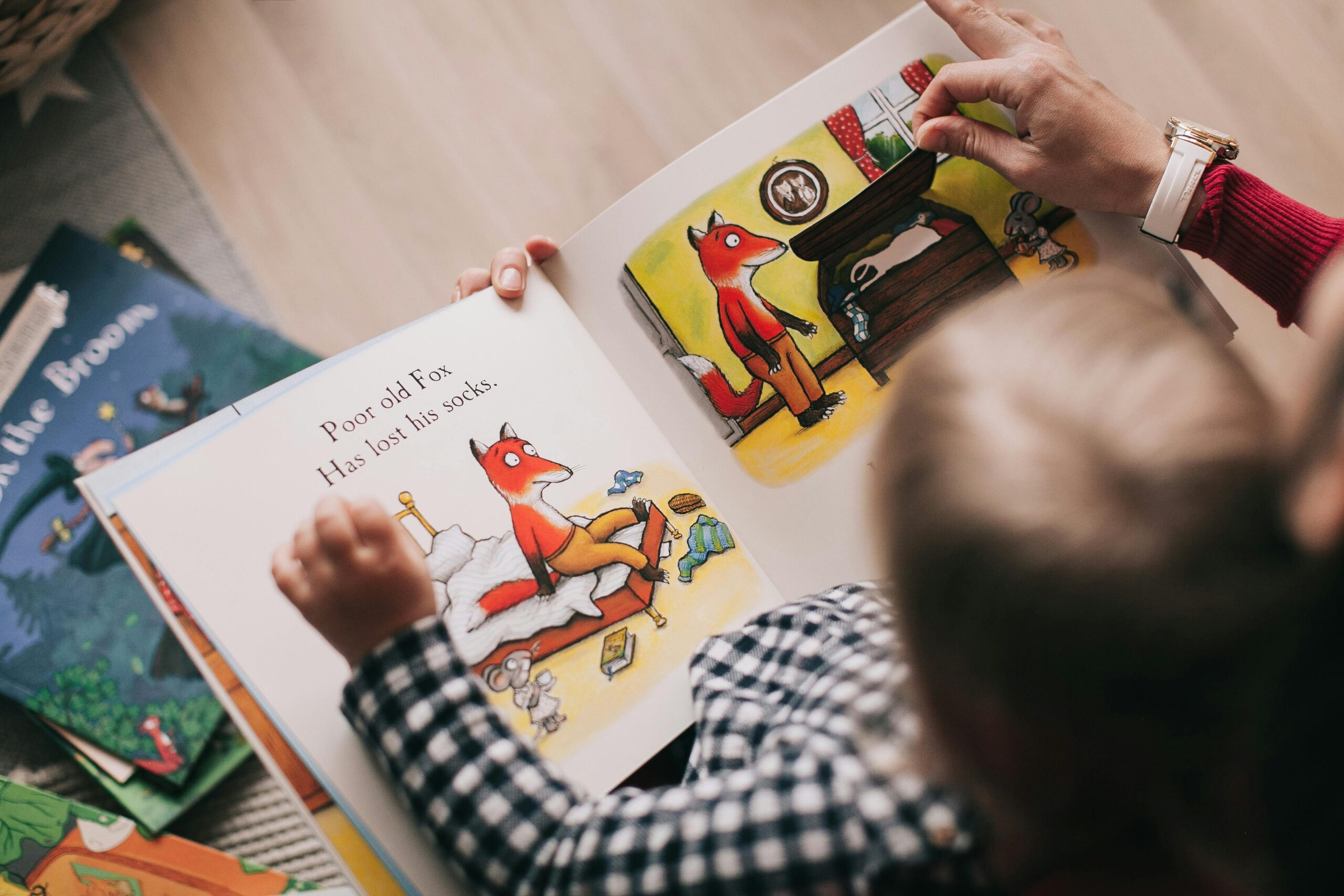
- Understands the basics of how to use a book- how to hold it, which way to turn the pages, and knows to move left to right.
Although many people believe the most important component of being ready for kindergarten is academics, it is more important for a child to be ready socially and emotionally. When a child feels secure and supported at home and in the classroom, learning the academic components will come naturally with time and practice.
What does it look like to be ready in this area? Here are some suggestions:
- Bathroom independence – a child should be able to pull down pants, use the toilet, flush, pull up pants, and wash hands without assistance.
- Lunchroom independence – a child should be able to open their lunch box, take out what they need, and either open everything on their own, or be able to raise their hand to ask for assistance. Or, if they buy school lunch, they should be able to stand in line and carry their food back to their table.
- Follow routines and directions – a child should be able to follow steps and directions given by an adult other than their parents.
- Sharing and taking turns – it is ideal that the child be able to share items and understand the concept of waiting their turn.
- Communication – the child is able to ask for help when needed and knows how to interact with peers.
If your child doesn’t attend preschool, it is important for you as the parent to teach these things at home. This can look like going on playdates with other children, eating at restaurants, attending “mommy/daddy and me” classes, and the child doing activities directed by an adult other than the parent, for example, at dance class, soccer, or a music lesson. Some of these you can model at home, but the social aspects are better when you can include other children.
There are many free activities that target both academic and social/emotional areas of focus in Manatee and Sarasota counties. (If you are not living in this area, inquire about activities at a local library or preschool.)
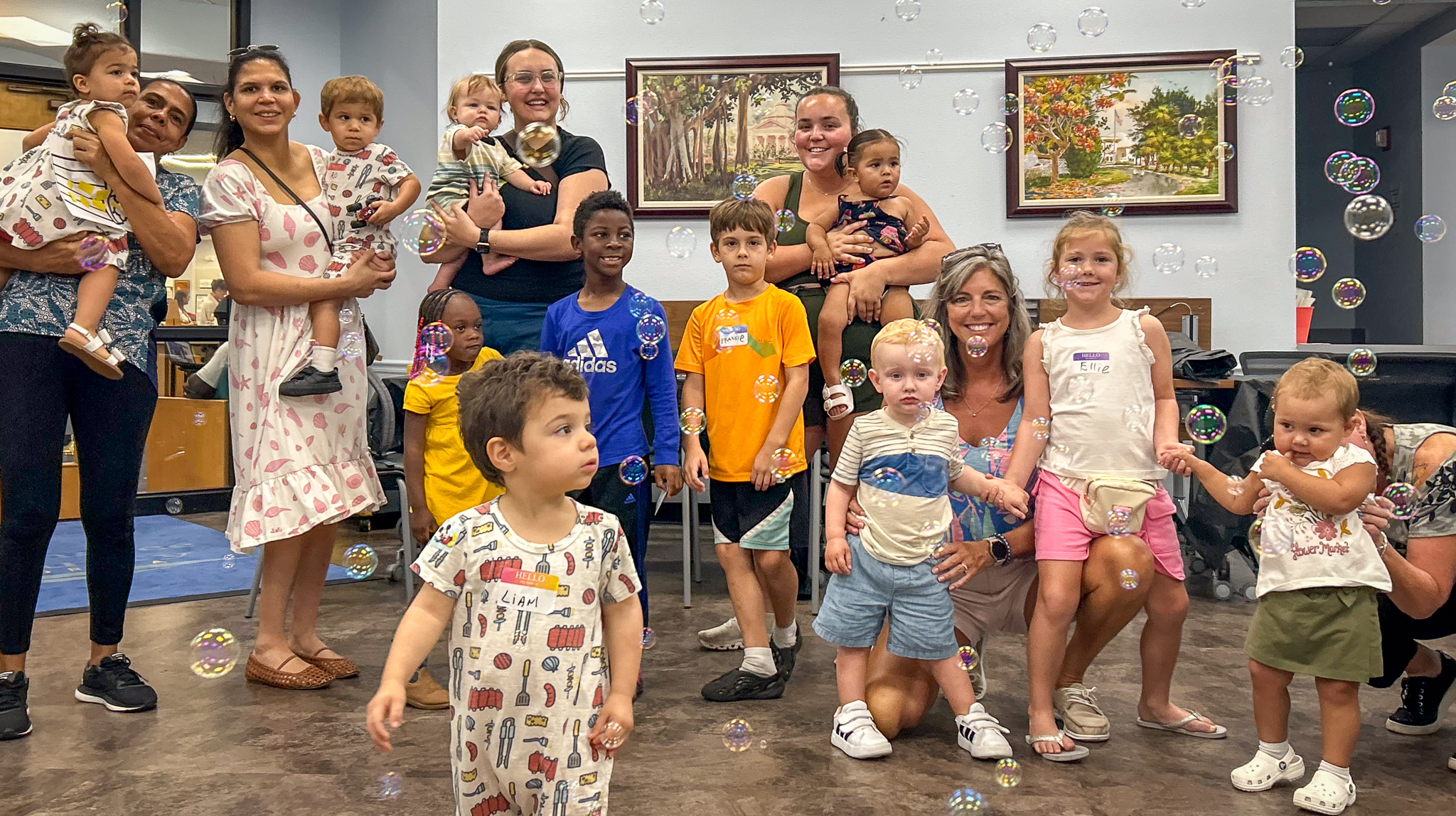
- Musical Motion, presented by Parenting Matters, offers bilingual classes for parents/caregivers and their child(ren) ages 0-5. The class focuses on the 7 Domains of Early Learning.
- Local libraries have a children’s section where you can relax and read books, play games and puzzles, and they offer story time along with many other great classes.
- The Little Discovery Center has interactive areas of interest. The parent and child can discover and learn together.
The summer leading up to kindergarten is a great time to read books about starting kindergarten. Some great books are
- Miss Bindergarten Gets Ready for Kindergarten
- The Night Before Kindergarten
- Clifford goes to Kindergarten
- The Kissing Hand.
For more book ideas, visit: 35 Books That Will Help Ease Kid’s Worries for Kindergarten – Katie Roltgen Teaching.
Before school starts, there are some additional things you can do to help your child prepare:
- Meet the teacher – Most schools have a designated day to do this.
- Create a routine – set a consistent routine a few weeks before school starts so that they already know what to expect.
- Do a dry run – pick a day before school starts, walk or drive to the school or to the bus stop, so they can visualize the new experience. Sometimes the scariest part for a child is the unknown. By doing this, your child will feel a little more prepared for the first day.
- Decrease naptime – Most kindergarten classes don’t have nap time, so if your child still naps, start weaning so they are used to not napping during the school day.
- Network with other parents – Some schools offer playdates before the school year starts. This allows families to meet each other. Also, some schools have social media pages; make sure you follow them so you can learn more about the school and the people there.
But what about parents being ready?
There is a lot of attention given to the child starting school, but don’t forget that this is a BIG step for parents, especially if it is your first child. Your child will feed off your energy and emotions- do your best to model calmness. It is likely your child will ask many questions to feel ready for their first day…be patient and supportive. This is a BIG DEAL for many children. And, at the end of the day, be prepared for your child to tell you every….little….detail….! Smile, be curious, and remember, if you don’t show interest in the little stuff they share, they won’t tell you the big stuff when it comes.
We here at Parenting Matters wish you a fun and happy kindergarten year!
Here are some more detailed checklists you can use:

Ashley Tabachnick holds a Bachelor’s in Elementary Education from the University of Central Florida. She dedicated 13 years to teaching in Manatee County before transitioning to Parenting Matters, where she serves as a Parenting Educator and Musical Motion Facilitator. As a mother of three children, ages nine, seven, and three, Ashley combines her parenting experience with her professional expertise to support and educate other parents in the community. She works in the home with the Parent Partner Program, conducts workshops around town, and organizes Musical Motion classes.